Your How to lay black plastic in garden images are available. How to lay black plastic in garden are a topic that is being searched for and liked by netizens today. You can Download the How to lay black plastic in garden files here. Download all free vectors.
If you’re looking for how to lay black plastic in garden images information connected with to the how to lay black plastic in garden interest, you have visit the ideal site. Our website frequently provides you with suggestions for downloading the highest quality video and image content, please kindly surf and find more enlightening video content and graphics that fit your interests.
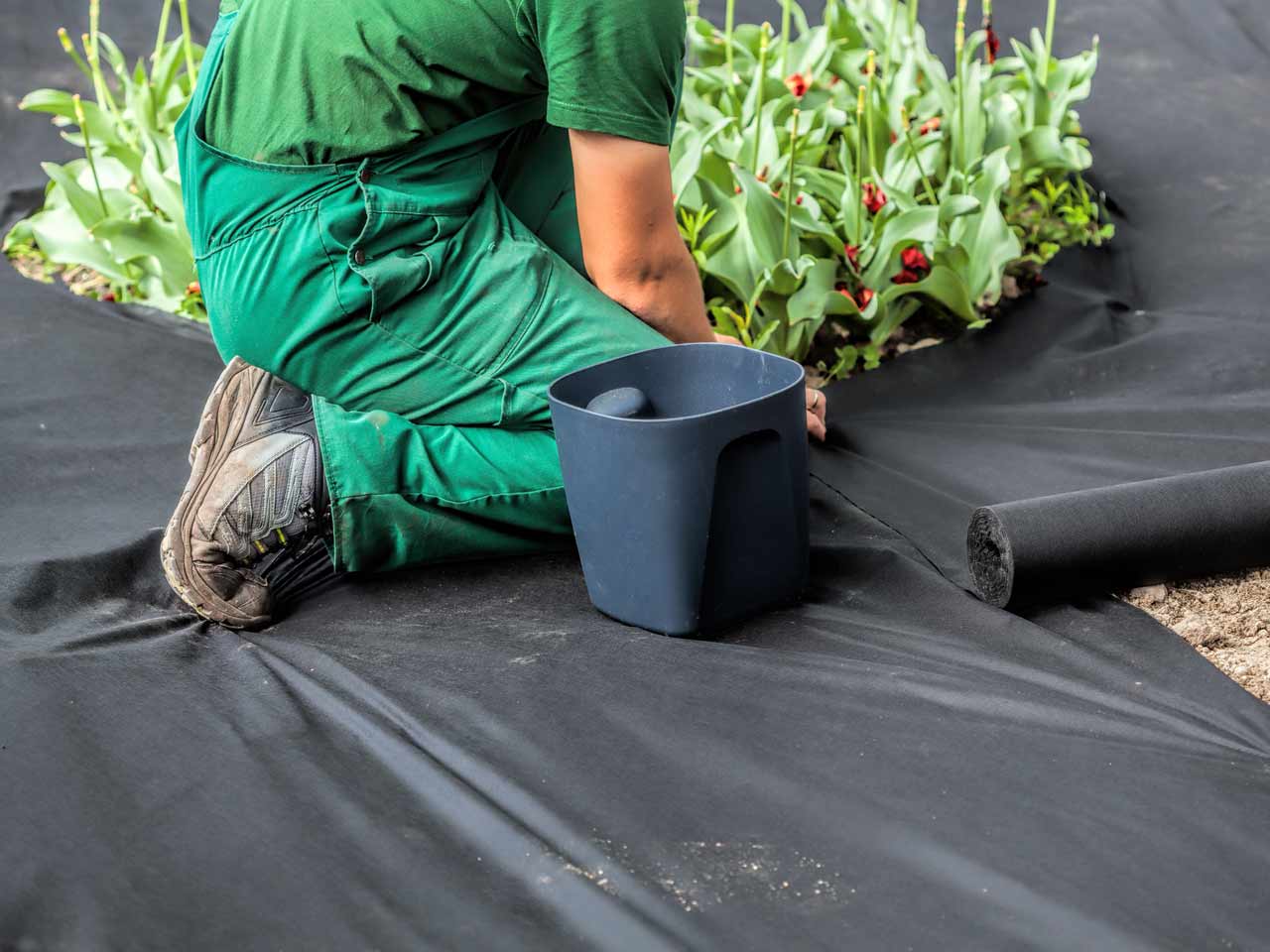
How To Lay Black Plastic In Garden. Spread the black plastic sheeting over the. Black plastic is used in landscaping to prevent weeds or plants from coming through the mulch acting as a barrier between the mulch and the ground. Cut the grass short and. Make sure that the top decorative edge is just at the surface level of the.
 How To Use Black Plastic In Your Garden Container Gardening Vegetables Reduce Weeds Autumn Garden From pinterest.com
We cut small holes or long trenches in the black plastic in order to plant the things we want to grow. Video Introduction Produced by My Good Friends at. Make sure that the top decorative edge is just at the surface level of the. How to Use Black Plastic To enjoy the maximum benefits and avoid some of the disadvantages of using black plastic in your vegetable garden prepare the ground before spreading the mulch. Black plastic mulch gardening basically refers to laying a black plastic film over the space you are using as your vegetable garden so the plastic can prevent weeds from growing. If you choose to lay new fabric use only top quality landscape fabric.
It is also available with or without perforated holes.
Lay the four flaps of fabric snugly against the. Black plastic is used in landscaping to prevent weeds or plants from coming through the mulch acting as a barrier between the mulch and the ground. You can also spread the grass clippings. Take a garden hose and walk along the edging watering it on both sides to enable the soil to settle down firmly. Spread the black plastic sheeting over the. Make sure that the top decorative edge is just at the surface level of the.
 Source: finegardening.com
Use 1-mm-thick plastic to. Video Introduction Produced by My Good Friends at. Pull the flaps aside to dig the hole and dump the soil into a wheelbarrow or tub rather than onto the surrounding fabric. Black plastic is used in landscaping to prevent weeds or plants from coming through the mulch acting as a barrier between the mulch and the ground. Black plastic can be used.
 Source: pinterest.com
This prevents the mulch from composting into the ground while also preventing weeds from occurring. You can also spread the grass clippings. Your plastic garden edging is complete. Black plastic is used in landscaping to prevent weeds or plants from coming through the mulch acting as a barrier between the mulch and the ground. Push the edging firmly into the trench and against the garden bed.
 Source: plantcaretoday.com
Its best to next lay two to three inches of organic compost on the ground. Cut the grass short and. Lay the four flaps of fabric snugly against the. Clear a section of rock or mulch then pull up landscape fabric and cut it off with scissors or a utility knife. Place the plastic edging into the trench.
 Source: saga.co.uk
It is also available with or without perforated holes. A clip showing how we lay the black plastic in our garden. Fold the four flaps that are created underneath the surrounding plastic. Your plastic garden edging is complete. Place the plastic edging into the trench.
 Source: pinterest.com
Place the plastic edging into the trench. Place rocks on the edges cover them with soil or use U-shaped pins. It is also available with or without perforated holes. Choose transparent UV-resistant plastic sheeting with a thickness that suits your needs. Place the plastic edging into the trench.
Source: pinterest.com
Push the edging firmly into the trench and against the garden bed. Use two layers of plastic to increase the. Pin down the new fabric tightly with no wrinkles and then recover the area with rock or mulch. Choose transparent UV-resistant plastic sheeting with a thickness that suits your needs. A clip showing how we lay the black plastic in our garden.
 Source: pinterest.com
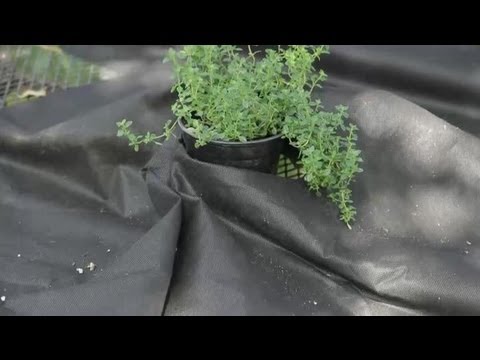
A clip showing how we lay the black plastic in our garden. Cut an X through the black plastic in a spot where you want to plant a seedling. With help from the sun black plastic can warm up the soil in five to seven days. Video Introduction Produced by My Good Friends at. If you choose to lay new fabric use only top quality landscape fabric.
 Source: pinterest.com
With help from the sun black plastic can warm up the soil in five to seven days. Place rocks on the edges cover them with soil or use U-shaped pins. The plastic must lay level over the soil. Video Introduction Produced by My Good Friends at. Instructions First clear the area that youd like to turn into a vegetable bed or entire vegetable garden.
 Source: pinterest.com
Black plastic mulch gardening basically refers to laying a black plastic film over the space you are using as your vegetable garden so the plastic can prevent weeds from growing. Spread the black plastic sheeting over the. How to Use Black Plastic To enjoy the maximum benefits and avoid some of the disadvantages of using black plastic in your vegetable garden prepare the ground before spreading the mulch. Store any remaining edging by rolling it in the same direction it was when you purchased it. Use two layers of plastic to increase the.
 Source: pinterest.com
Lay the four flaps of fabric snugly against the. Make sure that the top decorative edge is just at the surface level of the. Black plastic is used in landscaping to prevent weeds or plants from coming through the mulch acting as a barrier between the mulch and the ground. Use 1-mm-thick plastic to. Fold the four flaps that are created underneath the surrounding plastic.
 Source: pinterest.com
Place the plastic edging into the trench. You can also spread the grass clippings. Install the plant back-fill around the root ball with soil and lightly tamp the soil to eliminate air pockets. Fold the four flaps that are created underneath the surrounding plastic. A clip showing how we lay the black plastic in our garden.
 Source: finegardening.com
Black plastic is used in landscaping to prevent weeds or plants from coming through the mulch acting as a barrier between the mulch and the ground. Make sure that the top decorative edge is just at the surface level of the. Lay the plastic over the garden plot immediately after watering the ground so the plastic is touching the soil and. Store any remaining edging by rolling it in the same direction it was when you purchased it. Choose transparent UV-resistant plastic sheeting with a thickness that suits your needs.
 Source: pinterest.com
We cut small holes or long trenches in the black plastic in order to plant the things we want to grow. Make sure that the top decorative edge is just at the surface level of the. Install the plant back-fill around the root ball with soil and lightly tamp the soil to eliminate air pockets. Fold the four flaps that are created underneath the surrounding plastic. You can also spread the grass clippings.
 Source: pinterest.com
Make the lines in the X 6 inches long. Make sure that the top decorative edge is just at the surface level of the. We cut small holes or long trenches in the black plastic in order to plant the things we want to grow. Place the plastic edging into the trench. Store any remaining edging by rolling it in the same direction it was when you purchased it.
 Source: nl.pinterest.com
Place rocks on the edges cover them with soil or use U-shaped pins. Black plastic mulch gardening basically refers to laying a black plastic film over the space you are using as your vegetable garden so the plastic can prevent weeds from growing. You can also spread the grass clippings. Make the lines in the X 6 inches long. Fold 3 inches of the fabric edges upward and smooth them against the edging surrounding the.
 Source: pinterest.com
If you choose to lay new fabric use only top quality landscape fabric. With help from the sun black plastic can warm up the soil in five to seven days. Video Introduction Produced by My Good Friends at. Your plastic garden edging is complete. Instructions First clear the area that youd like to turn into a vegetable bed or entire vegetable garden.
 Source: youtube.com
Place the plastic edging into the trench. It is also available with or without perforated holes. Place the plastic edging into the trench. Black plastic is used in landscaping to prevent weeds or plants from coming through the mulch acting as a barrier between the mulch and the ground. Place rocks on the edges cover them with soil or use U-shaped pins.
 Source: in.pinterest.com
Push the edging firmly into the trench and against the garden bed. How to Use Black Plastic To enjoy the maximum benefits and avoid some of the disadvantages of using black plastic in your vegetable garden prepare the ground before spreading the mulch. Fold the four flaps that are created underneath the surrounding plastic. Cut the grass short and. The plastic must lay level over the soil.
This site is an open community for users to share their favorite wallpapers on the internet, all images or pictures in this website are for personal wallpaper use only, it is stricly prohibited to use this wallpaper for commercial purposes, if you are the author and find this image is shared without your permission, please kindly raise a DMCA report to Us.
If you find this site value, please support us by sharing this posts to your own social media accounts like Facebook, Instagram and so on or you can also bookmark this blog page with the title how to lay black plastic in garden by using Ctrl + D for devices a laptop with a Windows operating system or Command + D for laptops with an Apple operating system. If you use a smartphone, you can also use the drawer menu of the browser you are using. Whether it’s a Windows, Mac, iOS or Android operating system, you will still be able to bookmark this website.


