Your How to protect vegetable plants from frost images are available. How to protect vegetable plants from frost are a topic that is being searched for and liked by netizens now. You can Get the How to protect vegetable plants from frost files here. Find and Download all free vectors.
If you’re searching for how to protect vegetable plants from frost images information linked to the how to protect vegetable plants from frost interest, you have come to the ideal blog. Our website always gives you hints for downloading the maximum quality video and picture content, please kindly search and locate more enlightening video content and images that fit your interests.
How To Protect Vegetable Plants From Frost. Bottom line is they need to be covered. You can use many. Bed sheets drop cloths blankets and plastic sheets make suitable covers for vulnerable plants. Along these lines if your plants have a slim layer of water on them that freezes it helps keep them warmer.
 How To Protect Plants From Frost Survival Gardening Garden Netting Winter Vegetables Gardening From pinterest.com
Check out Elliot Colemans Four-Season Harvest for some inspiring photos of greens being harvested from a cold frame in the dead of a Maine winter. Add an Extra Thick Layer of Mulch. The first and easiest way is to water your plants to prevent frost damage. Woven fabrics are better than solid ones such as plastic. Bed sheets drop cloths blankets and plastic sheets make suitable covers for vulnerable plants. You can use many.
How To Protect Your Vegetable Garden From Frost Covering Plants.
You can use many. However do not saturate the plants while the temperatures are extremely low as this will result in frost heave and ultimately injure the plants. To protect a larger group of plants simply cover them up with blankets bed sheets towels or drop cloths. When using cloches to ward against frost place them over your plants just before nightfall and uncover them in the morning so they can benefit from the warmth and energy of the sun. At the freezing point of water it emits heat. A quick and easy way to protect your plants is by using a cloche.
 Source: pinterest.com
Another great way to protect your plants from frost and freezing is to use cold frames. Like a greenhouse in miniature a cold frame is a simple yet very effective means of protecting tender garden plants from frost and allowing crops to be harvested well into the winter months. Also the moisture in the soil can provide additional frost protection. To spray your plants with water during frost is to protect them through the use of ice actively. Light watering in the evening.
Source: pinterest.com
Plants are less vulnerable to cold damage if they are healthy and not under drought stress. However do not saturate the plants while the temperatures are extremely low as this will result in frost heave and ultimately injure the plants. Some plants need extra protection you have a few frost-tender. Check out Elliot Colemans Four-Season Harvest for some inspiring photos of greens being harvested from a cold frame in the dead of a Maine winter. Bed sheets drop cloths blankets and plastic sheets make suitable covers for vulnerable plants.
 Source: ar.pinterest.com
Simply place cloches over young vines and shrubs such as tomatoes and peppers to protect plants from frost. So when the frost is coming be sure to cover up your tender plants. Most cloches have venting in them to prevent from overheating. Like a greenhouse in miniature a cold frame is a simple yet very effective means of protecting tender garden plants from frost and allowing crops to be harvested well into the winter months. Mulch provides vital.
 Source: pinterest.com
When using cloches to ward against frost place them over your plants just before nightfall and uncover them in the morning so they can benefit from the warmth and energy of the sun. Be sure that you uncover them first thing in the morning. You can use many. The first and easiest way is to water your plants to prevent frost damage. Bedsheets plastic straw hay mulch leaves and anything else you have on hand that will insulate will do the trick in protecting your plants.
 Source: pinterest.com
Frost blankets or garden fleeces these ones are good value are a. Water your garden soil thoroughly during the day before evening frost is predicted. If the temperatures are expected to hover around the. During the night the wet soil will release moisture into the air which will raise the temperature and keep plants warmer. Like a greenhouse in miniature a cold frame is a simple yet very effective means of protecting tender garden plants from frost and allowing crops to be harvested well into the winter months.
 Source: pinterest.com
The easiest and most common way to protect plants from frost is to cover them up. However do not saturate the plants while the temperatures are extremely low as this will result in frost heave and ultimately injure the plants. When using cloches to ward against frost place them over your plants just before nightfall and uncover them in the morning so they can benefit from the warmth and energy of the sun. Protect Garden Vegetables From Frost Water the vegetable garden thoroughly within a day or two of the anticipated frost. Watering plants Another way to protect plants is by watering them a day or two before the frost is expected.
 Source: pinterest.com
Cover Plants with Old Blankets and Sheets. Like a greenhouse in miniature a cold frame is a simple yet very effective means of protecting tender garden plants from frost and allowing crops to be harvested well into the winter months. Bed sheets drop cloths blankets and plastic sheets make suitable covers for vulnerable plants. 6 Ways to Protect Plants from Unexpected Frost Water the Plants During the Day. To spray your plants with water during frost is to protect them through the use of ice actively.
 Source: pinterest.com
Be sure that you uncover them first thing in the morning. To spray your plants with water during frost is to protect them through the use of ice actively. Watering plants Another way to protect plants is by watering them a day or two before the frost is expected. During the night the wet soil will release moisture into the air which will raise the temperature and keep plants warmer. Wet soil will hold more heat than soil that is dry.
 Source: pinterest.com
The first and easiest way is to water your plants to prevent frost damage. Mulch provides vital. Most cloches have venting in them to prevent from overheating. Heat is held better by wet soil than by dry soil so thoroughly soaking the soil around tender vegetable plants when a. 6 Ways to Protect Plants from Unexpected Frost Water the Plants During the Day.
 Source: pinterest.com
Protect Garden Vegetables From Frost Water the vegetable garden thoroughly within a day or two of the anticipated frost. Wet soil will hold more heat than soil that is dry. Check out Elliot Colemans Four-Season Harvest for some inspiring photos of greens being harvested from a cold frame in the dead of a Maine winter. Cover Plants with Old Blankets and Sheets. Frost blankets or garden fleeces these ones are good value are a.
 Source: pinterest.com
Add an Extra Thick Layer of Mulch. Check out Elliot Colemans Four-Season Harvest for some inspiring photos of greens being harvested from a cold frame in the dead of a Maine winter. Cloches are small personal greenhouses helping to warm up the soil in Spring and then shelter the plants from cold and frost. Simply place cloches over young vines and shrubs such as tomatoes and peppers to protect plants from frost. Heat is held better by wet soil than by dry soil so thoroughly soaking the soil around tender vegetable plants when a.
 Source: pinterest.com
Woven fabric provides better protection than plastic or paper but you can add sheets of plastic on top of your fabric layer to shield it from precipitation that may also be occurring. Water your garden soil thoroughly during the day before evening frost is predicted. Horticultural fleece can be used in spring to accelerate seed growth and protect plants from pests but it can also be used to give some protection from frost. Use Frost Blankets for Plants in Rows or Beds. So when the frost is coming be sure to cover up your tender plants.
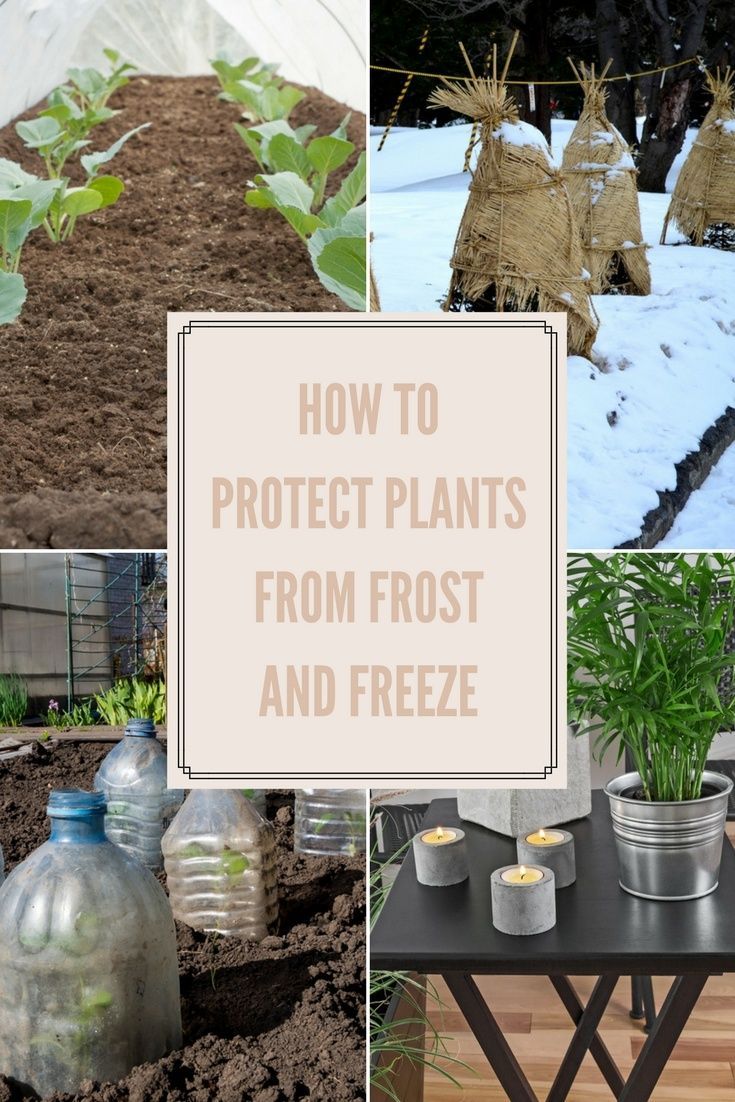 Source: pinterest.com
Water your garden soil thoroughly during the day before evening frost is predicted. Cover Plants with Old Blankets and Sheets. Mulch provides vital. Protect Garden Vegetables From Frost Water the vegetable garden thoroughly within a day or two of the anticipated frost. Be sure that you uncover them first thing in the morning.
 Source: pinterest.com
How To Protect Your Vegetable Garden From Frost Covering Plants. To protect a larger group of plants simply cover them up with blankets bed sheets towels or drop cloths. Add an Extra Thick Layer of Mulch. Protect Garden Vegetables From Frost Water the vegetable garden thoroughly within a day or two of the anticipated frost. To spray your plants with water during frost is to protect them through the use of ice actively.
 Source: pinterest.com
Give them a Blanket. Bottom line is they need to be covered. So when the frost is coming be sure to cover up your tender plants. During the night the wet soil will release moisture into the air which will raise the temperature and keep plants warmer. Wet soil will hold more heat than soil that is dry.
 Source: pinterest.com
Be sure that you uncover them first thing in the morning. Another great way to protect your plants from frost and freezing is to use cold frames. Horticultural fleece can be used in spring to accelerate seed growth and protect plants from pests but it can also be used to give some protection from frost. Watering plants Another way to protect plants is by watering them a day or two before the frost is expected. Mulch provides vital.
 Source: pinterest.com
During the night the wet soil will release moisture into the air which will raise the temperature and keep plants warmer. I show you about 10 ways you can cover your garden plants to provide frost protection. Plants are less vulnerable to cold damage if they are healthy and not under drought stress. Water your garden soil thoroughly during the day before evening frost is predicted. Simply place cloches over young vines and shrubs such as tomatoes and peppers to protect plants from frost.
 Source: pinterest.com
If the temperatures are expected to hover around the. Watering before a cold snap will reduce the likelihood of frost damage. During the night the wet soil will release moisture into the air which will raise the temperature and keep plants warmer. Horticultural fleece is extremely light and can be used directly on top of plants or to wrap around them raising their temperature by approximately 2 degrees and accelerating their growth. Old blankets and sheets are a great way to protect plants from frost.
This site is an open community for users to share their favorite wallpapers on the internet, all images or pictures in this website are for personal wallpaper use only, it is stricly prohibited to use this wallpaper for commercial purposes, if you are the author and find this image is shared without your permission, please kindly raise a DMCA report to Us.
If you find this site good, please support us by sharing this posts to your own social media accounts like Facebook, Instagram and so on or you can also save this blog page with the title how to protect vegetable plants from frost by using Ctrl + D for devices a laptop with a Windows operating system or Command + D for laptops with an Apple operating system. If you use a smartphone, you can also use the drawer menu of the browser you are using. Whether it’s a Windows, Mac, iOS or Android operating system, you will still be able to bookmark this website.


