Your How to raise free chlorine in a saltwater pool images are available. How to raise free chlorine in a saltwater pool are a topic that is being searched for and liked by netizens now. You can Get the How to raise free chlorine in a saltwater pool files here. Find and Download all royalty-free photos and vectors.
If you’re looking for how to raise free chlorine in a saltwater pool images information connected with to the how to raise free chlorine in a saltwater pool keyword, you have come to the right blog. Our site always provides you with suggestions for seeking the maximum quality video and image content, please kindly hunt and locate more informative video articles and graphics that match your interests.
How To Raise Free Chlorine In A Saltwater Pool. Replace your Chlorinator Salt Cell. When you see it remove as much as you can with your hand or a gentle brush. InTheSwim recommends 20 to 3. The Pool and Hot Tub Alliance recommends keeping free chlorine levels between 20 and 40 parts per million ppm.
 Pin On Salt Water Pool Info From pinterest.com
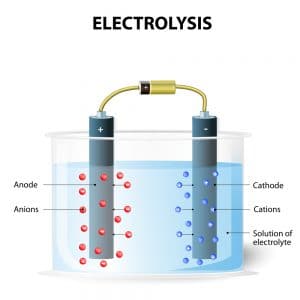
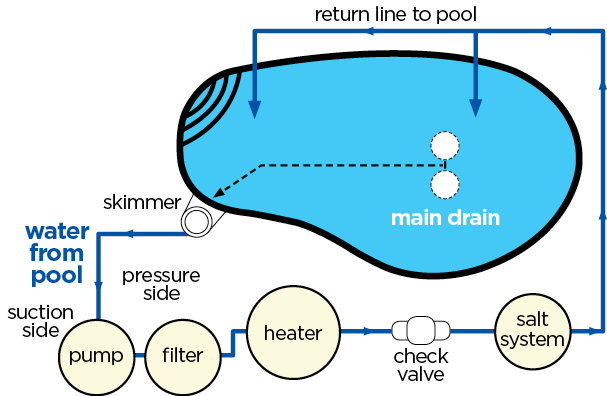
Unfortunately theres no exact science to this. In a saltwater pool an SWG or salt water generator converts the salt in the water into chlorine. Follow the manufacturers instructions to find out the amount of water that you need. Salt should sit around 5000ppm parts per million. It is always better to start small when adding chlorine to avoid over chlorinating and test your levels to see if the pool will require more chlorine to. The CYA level in your pool when maintained at 30 to 50 parts per million serves to provide protection for your chlorine from UV degradation.
Using the levels determined through testing multiply the combined chlorine level by 10 and then subtract the current free chlorine level to determine how much chlorine youll have to add to reach breakpoint chlorination.
When you see it remove as much as you can with your hand or a gentle brush. Chlorine depletes by itself and there is no need to add neutralizing chemicals which might cause more chemical problems in your pool. The severity of the chlorine lock determines how long this method takes. So in your particular case its possible the unit is not workingor the water chemistry is such that the chlorine is being consumed as it is being produced by the SWG the cloudy water could be one indication of a problem like thatbut there are other causes for cloudy water which is why we like to. Add the cyanuric acid to the bucket and mix it with water. You will need to purchase the appropriate amount of chlorine or bromine for the size of the pool.
 Source: pinterest.com
In effect this chlorine in the water is freely available in the water for all kinds of sanitization purposes. Free Chlorine Most testing devices will test for free chlorine in a hot tub. The best thing you can do if you cant wait for it to reduce by itself is to drain and refill a portion of your pool water. Stir the mixture with a wood bar for a safer way since it may. In a saltwater pool an SWG or salt water generator converts the salt in the water into chlorine.
 Source: blog.poolsupplyworld.com
Unfortunately theres no exact science to this. When you see it remove as much as you can with your hand or a gentle brush. To do that mix about five parts water to one part muriatic acid and pour it directly into the salt cell. Each 20kg bag of salt equals roughly 500ppm for 60000L pools. CYANIDE based the CYANURIC acid is.
 Source: in.pinterest.com
If its too hard to remove you might have to make a muriatic acid solution to clean it with. The best thing you can do if you cant wait for it to reduce by itself is to drain and refill a portion of your pool water. 0 ppm for a stabilized pool. If you regularly add external chlorine to your pool to help maintain your free chlorine levels then you need to be aware of your stabilizer levels CYA cyanuric acid. Many saltwater pools have a chlorine generator feeder or chlorinator that releases free chlorine into the water.
 Source: pinterest.com
Increase free chlorine in a pool by adding 1 pound of chlorine or bromine for every 20000 gallons of water. Simply adding chlorine in the form of chlorine tablets granular chlorine liquid shock or powder shock will increase the total amount of chlorine within the pool. Chlorine depletes by itself and there is no need to add neutralizing chemicals which might cause more chemical problems in your pool. So in your particular case its possible the unit is not workingor the water chemistry is such that the chlorine is being consumed as it is being produced by the SWG the cloudy water could be one indication of a problem like thatbut there are other causes for cloudy water which is why we like to. The obvious weekly use of muriatic acid is combined with the not so obvious need to use cyanuric acid to guarantee your salt chlorine generator can achieve 1-3 ppm chlorine residual in your pool.
Source: pinterest.com
You will need to purchase the appropriate amount of chlorine or bromine for the size of the pool. Since salt water pools produce chlorine the sanitizing effectiveness of the system is impacted by changes in temperature bather load sunlight and rainfall. Add the cyanuric acid to the bucket and mix it with water. It is always better to start small when adding chlorine to avoid over chlorinating and test your levels to see if the pool will require more chlorine to. To achieve this level the water needs to contain 10 times as much free chlorine as it does combined chlorine.
 Source: blog.orendatech.com
When you see it remove as much as you can with your hand or a gentle brush. When you see it remove as much as you can with your hand or a gentle brush. The easiest way to check your chlorine levels is with test strips. Each 20kg bag of salt equals roughly 500ppm for 60000L pools. It is always better to start small when adding chlorine to avoid over chlorinating and test your levels to see if the pool will require more chlorine to.
 Source: pinterest.com
Each 20kg bag of salt equals roughly 500ppm for 60000L pools. If its too hard to remove you might have to make a muriatic acid solution to clean it with. Bleach you purchase in the store is nothing more than liquid chlorine and can be used in the swimming pool to raise the pool chlorine levels. The best thing you can do if you cant wait for it to reduce by itself is to drain and refill a portion of your pool water. You will need to purchase the appropriate amount of chlorine or bromine for the size of the pool.
 Source: thesummerpools.com
Salt should sit around 5000ppm parts per million. Each 20kg bag of salt equals roughly 500ppm for 60000L pools. Stir the mixture with a wood bar for a safer way since it may. Add the cyanuric acid to the bucket and mix it with water. Avoid scented bleach and bleach with additives.
 Source: in.pinterest.com
Since salt water pools produce chlorine the sanitizing effectiveness of the system is impacted by changes in temperature bather load sunlight and rainfall. Free Chlorine Most testing devices will test for free chlorine in a hot tub. Bleach can come in different concentrations. Avoid scented bleach and bleach with additives. The obvious weekly use of muriatic acid is combined with the not so obvious need to use cyanuric acid to guarantee your salt chlorine generator can achieve 1-3 ppm chlorine residual in your pool.
 Source: pinterest.com
To do that mix about five parts water to one part muriatic acid and pour it directly into the salt cell. The easiest way to check your chlorine levels is with test strips. Avoid scented bleach and bleach with additives. Salt should sit around 5000ppm parts per million. One of the simplest methods to breaking chlorine demand is by partially draining your pool.
 Source: pinterest.com
You will need to purchase the appropriate amount of chlorine or bromine for the size of the pool. Add the cyanuric acid to the bucket and mix it with water. The easiest way to check your chlorine levels is with test strips. In effect this chlorine in the water is freely available in the water for all kinds of sanitization purposes. Chlorine depletes by itself and there is no need to add neutralizing chemicals which might cause more chemical problems in your pool.
 Source: pinterest.com
Chlorine depletes by itself and there is no need to add neutralizing chemicals which might cause more chemical problems in your pool. Many saltwater pools have a chlorine generator feeder or chlorinator that releases free chlorine into the water. Free Chlorine Most testing devices will test for free chlorine in a hot tub. When you see it remove as much as you can with your hand or a gentle brush. Follow the manufacturers instructions to find out the amount of water that you need.
 Source: pinchapenny.com
The easiest way to check your chlorine levels is with test strips. Locate the control panel box and turn down the dial 1 level. Bleach you purchase in the store is nothing more than liquid chlorine and can be used in the swimming pool to raise the pool chlorine levels. In effect this chlorine in the water is freely available in the water for all kinds of sanitization purposes. The best thing you can do if you cant wait for it to reduce by itself is to drain and refill a portion of your pool water.
 Source: wikihow.com
When you see it remove as much as you can with your hand or a gentle brush. 0 ppm for a stabilized pool. The Pool and Hot Tub Alliance recommends keeping free chlorine levels between 20 and 40 parts per million ppm. Bleach can come in different concentrations. Stir the mixture with a wood bar for a safer way since it may.
 Source: pinterest.com
Clean your salt cell give it an hydrochloric acid bath in 10 acid 90 water for 3-5 minutes until majority of the calcium bubbles up and dissolves. If its too hard to remove you might have to make a muriatic acid solution to clean it with. Locate the control panel box and turn down the dial 1 level. Simply adding chlorine in the form of chlorine tablets granular chlorine liquid shock or powder shock will increase the total amount of chlorine within the pool. Bleach can come in different concentrations.
 Source: poolcareguy.com
The Pool and Hot Tub Alliance recommends keeping free chlorine levels between 20 and 40 parts per million ppm. The Pool and Hot Tub Alliance recommends keeping free chlorine levels between 20 and 40 parts per million ppm. Add the cyanuric acid to the bucket and mix it with water. This reading is the amount of chlorine present in the water of the hot tub that can sanitize the pool of all impurities and germs. Using the levels determined through testing multiply the combined chlorine level by 10 and then subtract the current free chlorine level to determine how much chlorine youll have to add to reach breakpoint chlorination.
 Source: in.pinterest.com
To achieve this level the water needs to contain 10 times as much free chlorine as it does combined chlorine. To do that mix about five parts water to one part muriatic acid and pour it directly into the salt cell. When you see it remove as much as you can with your hand or a gentle brush. Clean your salt cell give it an hydrochloric acid bath in 10 acid 90 water for 3-5 minutes until majority of the calcium bubbles up and dissolves. It is always better to start small when adding chlorine to avoid over chlorinating and test your levels to see if the pool will require more chlorine to.
 Source: pinterest.com
The obvious weekly use of muriatic acid is combined with the not so obvious need to use cyanuric acid to guarantee your salt chlorine generator can achieve 1-3 ppm chlorine residual in your pool. InTheSwim recommends 20 to 3. In effect this chlorine in the water is freely available in the water for all kinds of sanitization purposes. In a saltwater pool an SWG or salt water generator converts the salt in the water into chlorine. Each 20kg bag of salt equals roughly 500ppm for 60000L pools.
This site is an open community for users to submit their favorite wallpapers on the internet, all images or pictures in this website are for personal wallpaper use only, it is stricly prohibited to use this wallpaper for commercial purposes, if you are the author and find this image is shared without your permission, please kindly raise a DMCA report to Us.
If you find this site value, please support us by sharing this posts to your preference social media accounts like Facebook, Instagram and so on or you can also save this blog page with the title how to raise free chlorine in a saltwater pool by using Ctrl + D for devices a laptop with a Windows operating system or Command + D for laptops with an Apple operating system. If you use a smartphone, you can also use the drawer menu of the browser you are using. Whether it’s a Windows, Mac, iOS or Android operating system, you will still be able to bookmark this website.


