Your How to release pressure from pressure washer images are ready. How to release pressure from pressure washer are a topic that is being searched for and liked by netizens today. You can Get the How to release pressure from pressure washer files here. Download all royalty-free images.
If you’re looking for how to release pressure from pressure washer images information related to the how to release pressure from pressure washer topic, you have visit the ideal blog. Our website frequently provides you with hints for seeing the maximum quality video and image content, please kindly search and locate more enlightening video content and images that fit your interests.
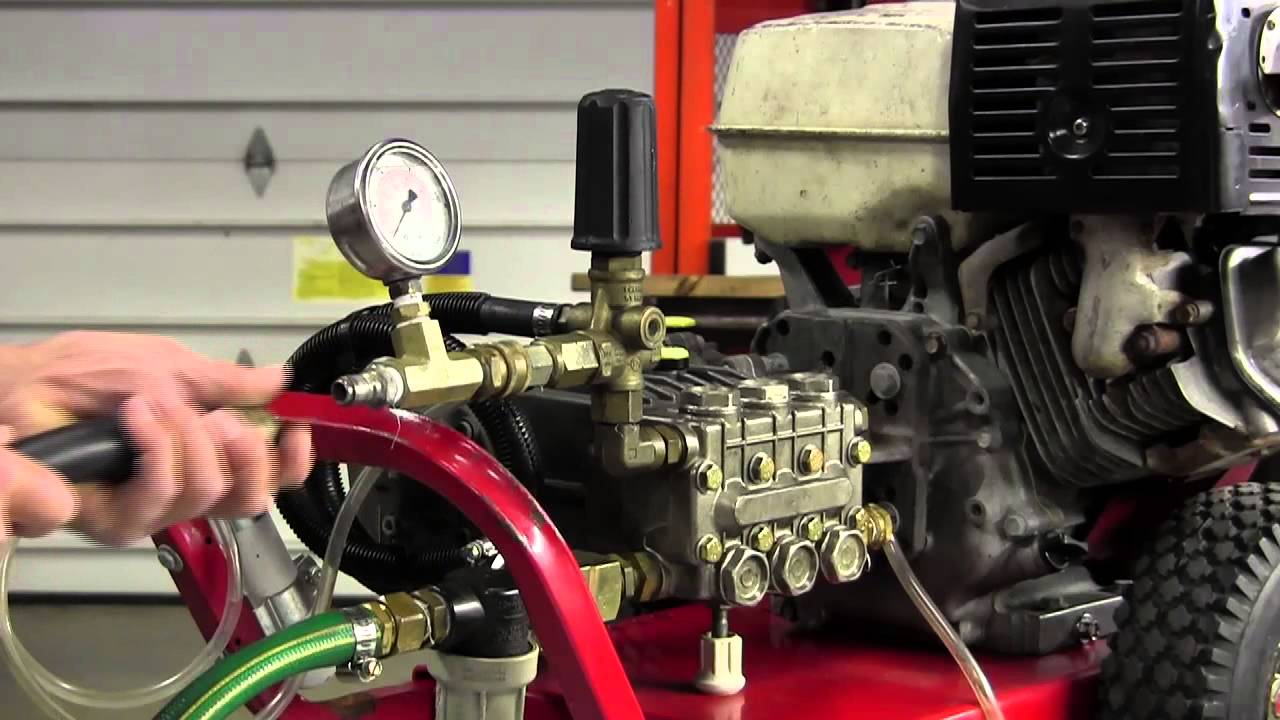
How To Release Pressure From Pressure Washer. In this short video Nick shows a quick and simple way of releasing pressure from your pressure washer hose in order to easily roll it back up when done. The unloader valve recirculates water back to the pump inlet to control the pressure and temperature. The water flow should increase in pressure and length from where it exits the pump. With the high pressure hose removed from the pump attach the garden hose and turn on water.
 Briggs Stratton Pressure Washers Pump Kit Review Best Pressure Washer Pressure Washer Washer Pump From pinterest.com
I think it is a good safety feature too. In this short video Nick shows a quick and simple way of releasing pressure from your pressure washer hose in order to easily roll it back up when done. You should also unplug the washer for maximum safety. I leave a very small leak at the QD at the pump end just a drop every 10 seconds or so while under full pressure it usually will stop leaking when the pressure drops. Squeeze the trigger of your pressure washer to release all the pressure inside it. Then turn the water tap on and pull the trigger gun to release water from the system at the garden hose water pressure before starting the engine or motor.
The unloader valve recirculates water back to the pump inlet to control the pressure and temperature.
Now grab the brass plastic or the stainless steel quick connect fitting at the end of the knurled section of your hose. If you are unsure of how much water you are putting into the machine you can check the gallons per minute that your water source is providing. I pulled apart and lubed the unloader valve on my Karcher pressure washer per the instructions Ive seen on this site but it didnt fix my problem. First off you should loosen the adjustment bolt and then release the trigger and check that the unloader is still functioning correctly. If you continue doing your job without releasing the pressure you. All you need is enough water pressure to get water to the pressure washer and then the pressure washer pump takes over from there.
 Source: pinterest.com
I think it is a good safety feature too. The water flow should increase in pressure and length from where it exits the pump. If you continue doing your job without releasing the pressure you. And make sure you have released all the pressure from the pressure washer. Then turn the water tap on and pull the trigger gun to release water from the system at the garden hose water pressure before starting the engine or motor.
 Source: pinterest.com
The water flow should increase in pressure and length from where it exits the pump. This also will allow the pressure to release when you are running the engine and not spraying. Then push it towards the pump of your pressure washer. I pulled apart and lubed the unloader valve on my Karcher pressure washer per the instructions Ive seen on this site but it didnt fix my problem. If you are unsure of how much water you are putting into the machine you can check the gallons per minute that your water source is providing.
 Source: pinterest.com
Now remove the nylon insert lock from the unloader valve then shut off the pressure adjusting knob. The water flow should increase in pressure and length from where it exits the pump. Now remove the nylon insert lock from the unloader valve then shut off the pressure adjusting knob. Next get a wrench and lock these two nuts to just three threads off the bottom and after that put the washer spring and nut back where they were. Release air from system.
 Source: pinterest.com
Squeeze the trigger of your pressure washer to release all the pressure inside it. Now remove the nylon insert lock from the unloader valve then shut off the pressure adjusting knob. Remove the washer and spring leaving behind the threaded piston rod that has two lock nuts. With the high pressure hose removed from the pump attach the garden hose and turn on water. Then the water will push the air that remains inside the nozzle.
 Source: pinterest.com
Do not turn off the outlet valve until all the air gets out and only water flows out the hose. I think it is a good safety feature too. Power washer pressure relese. Always connect the garden hose to the power washer first. Then turn the water tap on and pull the trigger gun to release water from the system at the garden hose water pressure before starting the engine or motor.
 Source: pinterest.com
This will release all the pressure from the system and allow the pump to function. Next get a wrench and lock these two nuts to just three threads off the bottom and after that put the washer spring and nut back where they were. If this does not happen there is an internal pump issue. If the water gets too hot the thermal relief valve opens to relieve the pressure by dumping hot water on the ground. With the high pressure hose removed from the pump attach the garden hose and turn on water.
 Source: pinterest.com
There is a fitting that. If you dont want to have such a bitter experience put on a pair of gloves and turn off the pressure washer. This will release all the pressure from the system and allow the pump to function. With the high pressure hose removed from the pump attach the garden hose and turn on water. Power washer pressure relese.
 Source: pinterest.com
This also will allow the pressure to release when you are running the engine and not spraying. There is a fitting that. If you dont want to have such a bitter experience put on a pair of gloves and turn off the pressure washer. The water flow should increase in pressure and length from where it exits the pump. Turn On the outlet valve of your pressure washer.
 Source: pinterest.com
In this short video Nick shows a quick and simple way of releasing pressure from your pressure washer hose in order to easily roll it back up when done. I leave a very small leak at the QD at the pump end just a drop every 10 seconds or so while under full pressure it usually will stop leaking when the pressure drops. When I release the trigger the pressure will not drop off and water comes flowing out the unloader - the engine bogs down and almost stalls - I. Release air from system. And make sure you have released all the pressure from the pressure washer.
Source: pinterest.com
There is a fitting that. I leave a very small leak at the QD at the pump end just a drop every 10 seconds or so while under full pressure it usually will stop leaking when the pressure drops. Then the water will push the air that remains inside the nozzle. The unloader valve recirculates water back to the pump inlet to control the pressure and temperature. If you dont want to have such a bitter experience put on a pair of gloves and turn off the pressure washer.
 Source: pinterest.com
In this short video Nick shows a quick and simple way of releasing pressure from your pressure washer hose in order to easily roll it back up when done. I think it is a good safety feature too. This will let the water flow. And make sure you have released all the pressure from the pressure washer. If this does not happen there is an internal pump issue.
 Source: pinterest.com
If the water gets too hot the thermal relief valve opens to relieve the pressure by dumping hot water on the ground. I leave a very small leak at the QD at the pump end just a drop every 10 seconds or so while under full pressure it usually will stop leaking when the pressure drops. Then turn the water tap on and pull the trigger gun to release water from the system at the garden hose water pressure before starting the engine or motor. Now remove the nylon insert lock from the unloader valve then shut off the pressure adjusting knob. When I release the trigger the pressure will not drop off and water comes flowing out the unloader - the engine bogs down and almost stalls - I.
 Source: pinterest.com
The thermal relief valve closes after the pressure is released. Squeeze the trigger of your pressure washer to release all the pressure inside it. If you continue doing your job without releasing the pressure you. In this short video Nick shows a quick and simple way of releasing pressure from your pressure washer hose in order to easily roll it back up when done. If you are unsure of how much water you are putting into the machine you can check the gallons per minute that your water source is providing.
 Source: pinterest.com
Release air from system. Always connect the garden hose to the power washer first. I leave a very small leak at the QD at the pump end just a drop every 10 seconds or so while under full pressure it usually will stop leaking when the pressure drops. The thermal relief valve closes after the pressure is released. Then push it towards the pump of your pressure washer.
 Source: pinterest.com
Do not turn off the outlet valve until all the air gets out and only water flows out the hose. Power washer pressure relese. Then turn the water tap on and pull the trigger gun to release water from the system at the garden hose water pressure before starting the engine or motor. If you continue doing your job without releasing the pressure you. Then push it towards the pump of your pressure washer.
 Source: pinterest.com
A pressure washer creates its own pressure. All you need is enough water pressure to get water to the pressure washer and then the pressure washer pump takes over from there. If you dont want to have such a bitter experience put on a pair of gloves and turn off the pressure washer. About Press Copyright Contact us Creators Advertise Developers Terms Privacy Policy Safety How YouTube works Test new features Press Copyright Contact us Creators. To relieve this pressure simply squeeze the trigger to release any water and then try disconnecting hoses again.
 Source: pinterest.com
When attempting to adjust a pressure-actuated unloader valve you must have your pressure washer running and the trigger pressed down so that water is constantly flowing. In this short video Nick shows a quick and simple way of releasing pressure from your pressure washer hose in order to easily roll it back up when done. Power washer pressure relese. Remove the washer and spring leaving behind the threaded piston rod that has two lock nuts. You should also unplug the washer for maximum safety.
 Source: pinterest.com
If you continue doing your job without releasing the pressure you. Release air from system. Then the water will push the air that remains inside the nozzle. Do not turn off the outlet valve until all the air gets out and only water flows out the hose. If the water gets too hot the thermal relief valve opens to relieve the pressure by dumping hot water on the ground.
This site is an open community for users to do sharing their favorite wallpapers on the internet, all images or pictures in this website are for personal wallpaper use only, it is stricly prohibited to use this wallpaper for commercial purposes, if you are the author and find this image is shared without your permission, please kindly raise a DMCA report to Us.
If you find this site good, please support us by sharing this posts to your favorite social media accounts like Facebook, Instagram and so on or you can also bookmark this blog page with the title how to release pressure from pressure washer by using Ctrl + D for devices a laptop with a Windows operating system or Command + D for laptops with an Apple operating system. If you use a smartphone, you can also use the drawer menu of the browser you are using. Whether it’s a Windows, Mac, iOS or Android operating system, you will still be able to bookmark this website.


